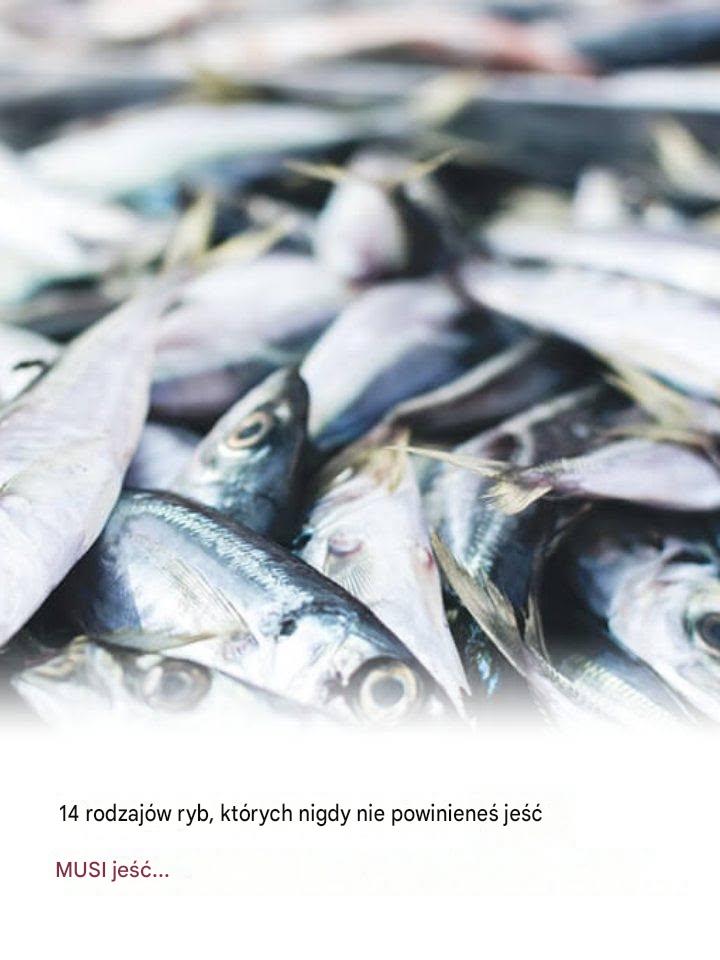
Fish can be an excellent part of a healthy diet, as it provides important nutrients such as omega-3 fatty acids, which can reduce the risk of diseases such as cancer, Alzheimer's disease, cardiovascular disease and dementia, age-related macular degeneration, and rheumatoid arthritis. However, there are certain fish that you should never eat. Unfortunately, due to human industrial activities, such as electricity generation from coal, smelting and waste incineration, large amounts of mercury end up in our waterways and, consequently, in the fish that swim in them. As this mercury enters the marine food chain, it bioaccumulates.
This means that when gradually larger fish eat smaller and smaller fish, the concentration of mercury increases at all trophic levels. Excessive mercury consumption can be harmful to health and can cause mercury poisoning. For this reason, the U.S. Food and Drug Administration (FDA) and the U.S. Environmental Protection Agency (EPA) have issued guidelines on the amount of mercury safe for human consumption, and the Environmental Defense Fund (EDF), a non-profit organization, makes recommendations on which fish should be avoided.
Read more...
1. Tilapia:
Did you know that in some ways eating tilapia is worse than eating bacon? In fact, a shift toward eating more farmed fish, such as tilapia, leads to highly inflammatory diets, according to a 2008 study published in the Journal of the American Dietetic Association.
According to researchers at Wake Forest University School of Medicine, tilapia is one of the most commonly consumed fish in the United States. The problem? It has very low levels of beneficial omega-3 fatty acids and, perhaps even worse, very high levels of inflammatory omega-6 fatty acids.
Maintaining high levels of inflammation in the body can worsen symptoms of autoimmune diseases and may be linked to chronic conditions such as heart disease, cancer, and diabetes.
If you absolutely must consume this fish, avoid tilapia from China, where farming practices are particularly worrisome. Better sources are the USA, Canada, the Netherlands, Ecuador and Peru.
It is clear that wild tilapia is preferable to farmed fish, but it is very difficult to find.
1.1 Atlantic cod
The problem of Atlantic cod is more related to the environment and the fish population than to human health. This species was intensively fished for more than a thousand years, and then in the late 1990s, the fishery collapsed. Although the Atlantic cod fishery has declined significantly since then, the population has struggled to recover. Experts agree that the collapse of fishing has caused lasting changes in the North Atlantic food chain, and the species is now considered to be on the verge of extinction.
2. Flounder of the Atlantic Ocean (halibut, sole and flounder)
Read more...