 Mistake #5: Getting Out of Bed Too Quickly
Jumping up the moment you wake during the night is a risky nighttime habit for seniors many do automatically. Blood pressure drops naturally at night so sudden movements in this dangerous nighttime habit for seniors can cause dizziness or unsteadiness. Falls during these moments are a top concern for adults over 60 and can lead to bigger setbacks.
James 71 from Colorado started sitting first and noticed far fewer dizzy spells.
Rate how quickly you rise at night 1-10.
 Safer Rising Technique
Sit on the edge of the bed for 10–20 seconds first.
Wiggle your ankles and take a few deep breaths.
Always use a nightlight and wear non-slip slippers.
You’re now in the group that’s actively fixing dangerous nighttime habits for seniors.
Mistake #6: Ignoring Loud Snoring or Breathing Pauses
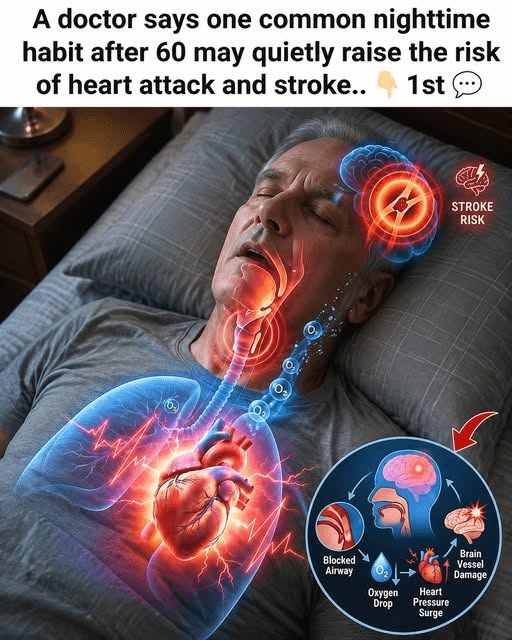
Brushing off loud snoring as “just aging” is one of the most overlooked dangerous nighttime habits for seniors. These sounds can signal pauses in breathing that reduce oxygen and make the heart work harder all night. This nighttime habit for seniors often goes unnoticed by the person but affects energy memory and overall well-being over time.
Susan 64 from Illinois finally talked to her doctor after her partner pointed out the pauses.
Rate whether you or your partner snores loudly 1-10.
What to Do Next
Note signs like morning headaches or daytime tiredness.
Schedule a check with a sleep specialist if needed.
Simple changes in position or weight can sometimes help.
Mistake #7: Taking Certain Medications Right Before Bed Without Checking
Many seniors follow the nighttime habit of taking pills for sleep pain or blood pressure right at bedtime. Without proper timing or review some medications in this dangerous nighttime habit for seniors can affect breathing balance or blood pressure during the night. This can quietly add to restlessness or other concerns.
Thomas 69 a retired engineer from New York reviewed his routine with his doctor and felt much steadier.
Rate your medication timing habit 1-10.
Safer Medication Approach
Don’t miss the rest! Click Next Below To Continue Reading.